Delegation vs Abdication (and Why Most SOPs Don’t Fix It)
There’s a pattern I keep seeing with business owners who swear they’re doing everything right.
- They hire from anywhere in the world
- They write detailed SOPs
- They record Loom videos
- They vet talent carefully
On paper, it should work.
But reality doesn’t match up.
Deadlines slip. Projects stall. Nobody knows who’s doing what. Eventually someone gets replaced, and the cycle restarts.
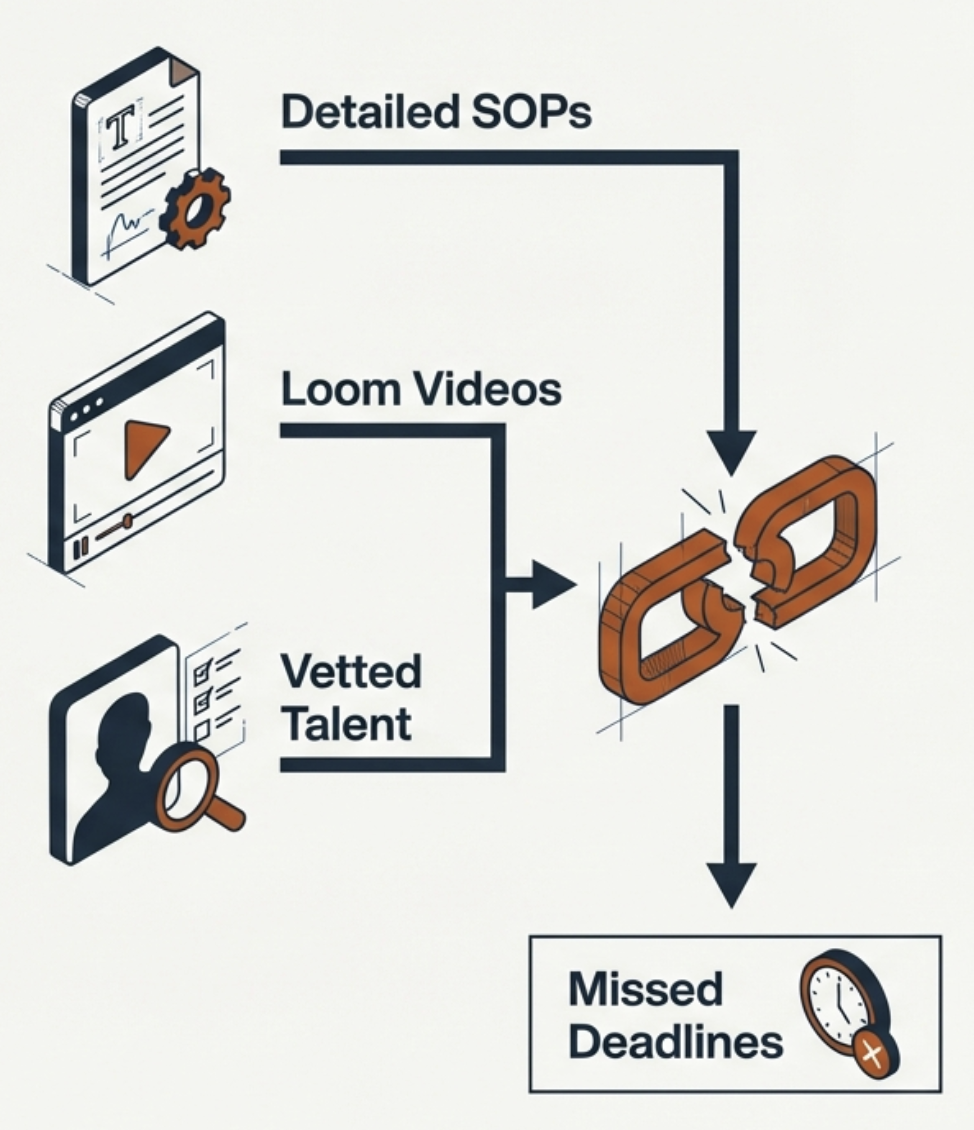
It’s not a talent problem.
It’s not even a hiring problem.
It’s a handoff problem.
Most people think they’re delegating, but what they’re actually doing is abdicating.
The Difference Between Delegation and Abdication
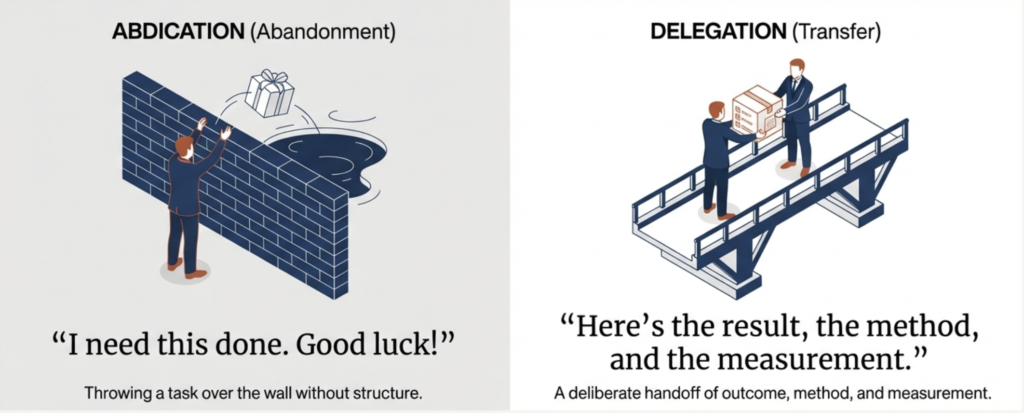
Delegation is the structured transfer of responsibility and outcomes to a team member, whereas abdication is the mere abandonment of a task without support.
Here’s the simplest way to frame it:
- Delegation is transfer
- Abdication is abandonment
Abandonment:
“I need this done. Good luck!”
Transfer:
“Here’s the result we need, here’s how to get there, and here’s how we’ll know it’s done.”
SOPs are important, but SOPs alone don’t produce outcomes. They’re just one piece of the puzzle.
That’s where the breakdown usually happens.
Proper delegation contains 4 distinct ingredients:
Support → Training → Accountability → Guidance
We call it STAG for short.
These elements create the structure that “catches” a task after it leaves your hands.
Here’s what each one actually means in practice:
1. Support (Environment)
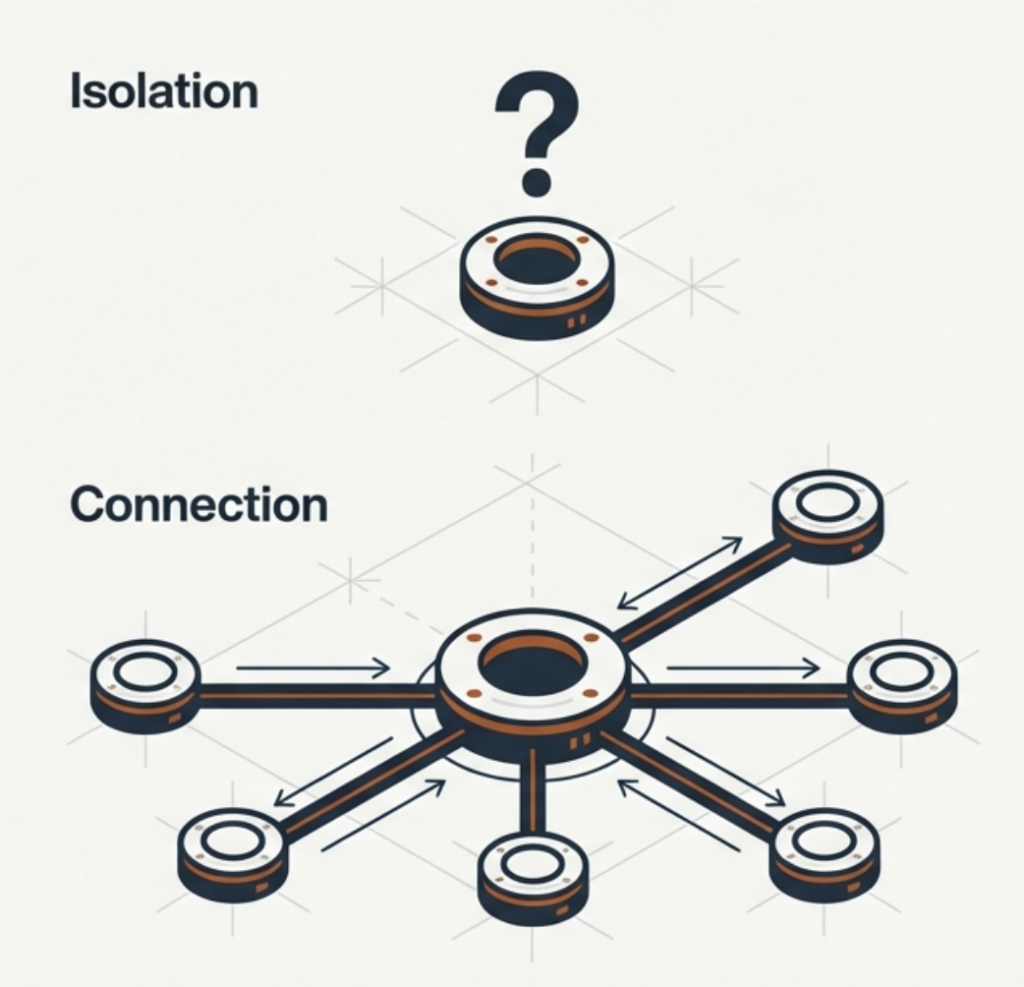
Support is both logistical and psychological.
Remote work has a built-in isolation tax, this is especially true when scaling with international virtual assistants, where clear communication is the only thing bridging the geographic gap. If someone feels like they’re working in a vacuum, output dips almost automatically. Belonging comes before productivity on every human hierarchy chart.
Support answers questions like:
- Who do I go to when I’m stuck?
- How often do we communicate?
- What if I need more help?
When those answers are unclear, production slows down no matter how good the SOP is.
2. Training (The Manual)
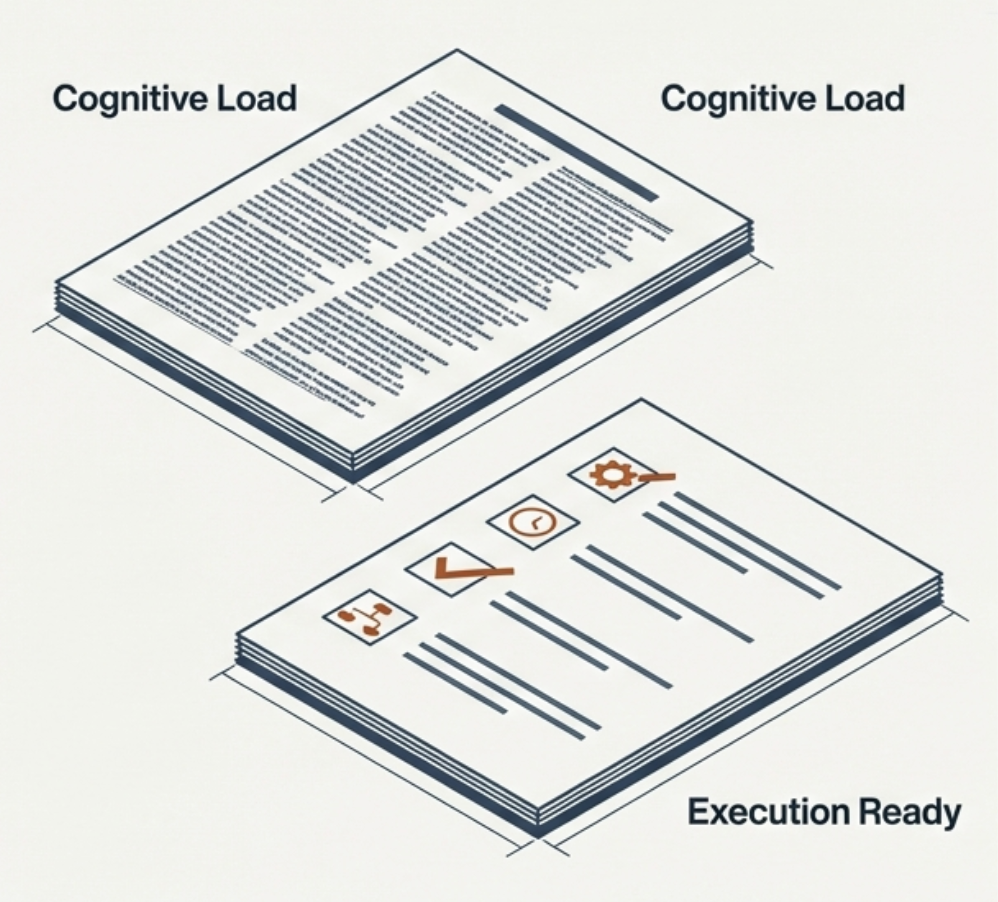
Training is the how to, step by step.
There’s a simple test we use:
If a 6th grader with no context or previous knowledge could follow the instructions to completion, the training is ready.
This isn’t about intelligence. It’s about conserving brainpower for the actual assignment instead of decoding instructions.
Dense SOPs accidentally shift focus from execution to translation, which is where productivity tends to stall.
3. Accountability (Deadlines + Measurables)
Most humans operate on a 7-day rhythm. Longer horizons get fuzzy. That’s why weekly check-ins outperform quarterly goals.
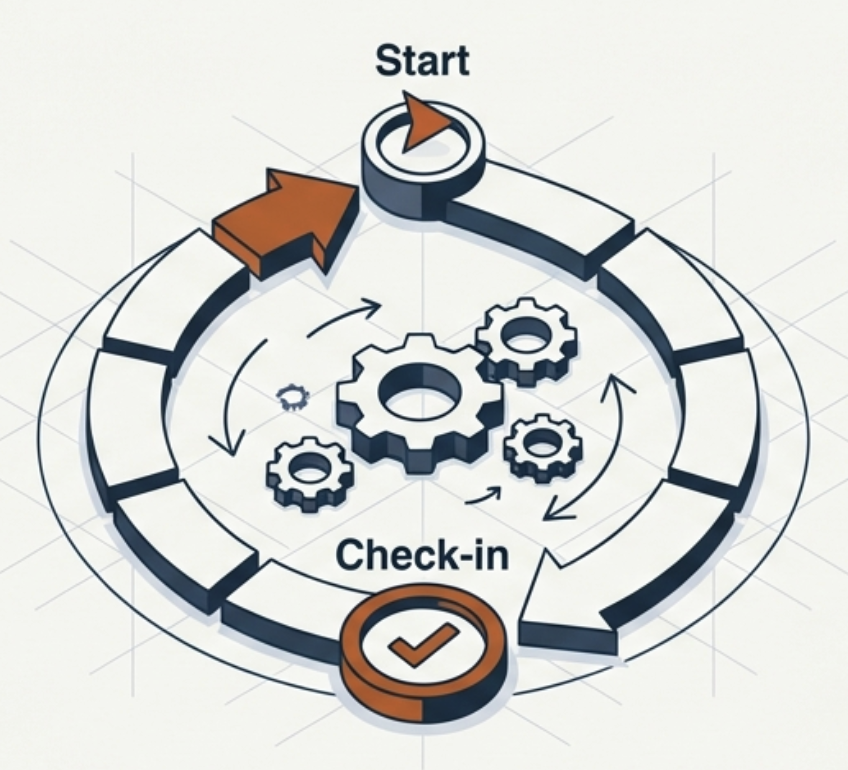
Accountability answers:
- What does done look like?
- When will it be done?
- How will we measure it?
If those three items aren’t defined, “management” turns into guessing.
4. Guidance (Course Correction)
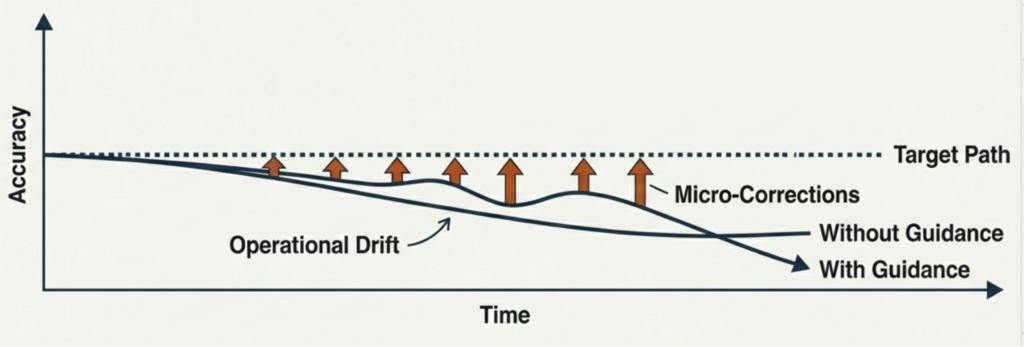
Guidance is the part most people skip.
Training tells someone what to do.
Guidance helps them ensure they do it correctly.
Think of a coach spotting an athlete:
- They don’t do the work for them
- They make tiny course corrections
- They give insights and anecdotes
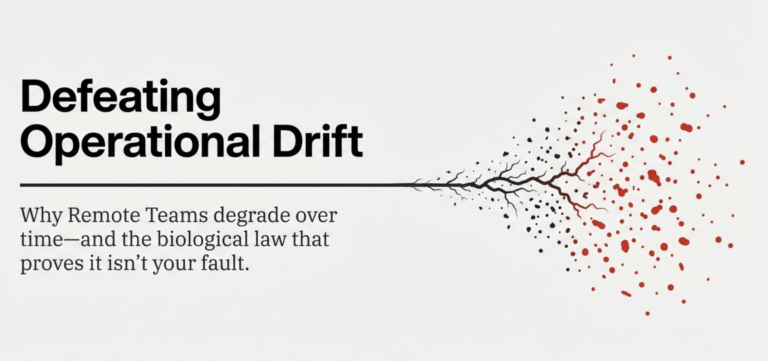
Guidance keeps people on track and helps avoid operational drift.
Why STAG Matters More Than Talent
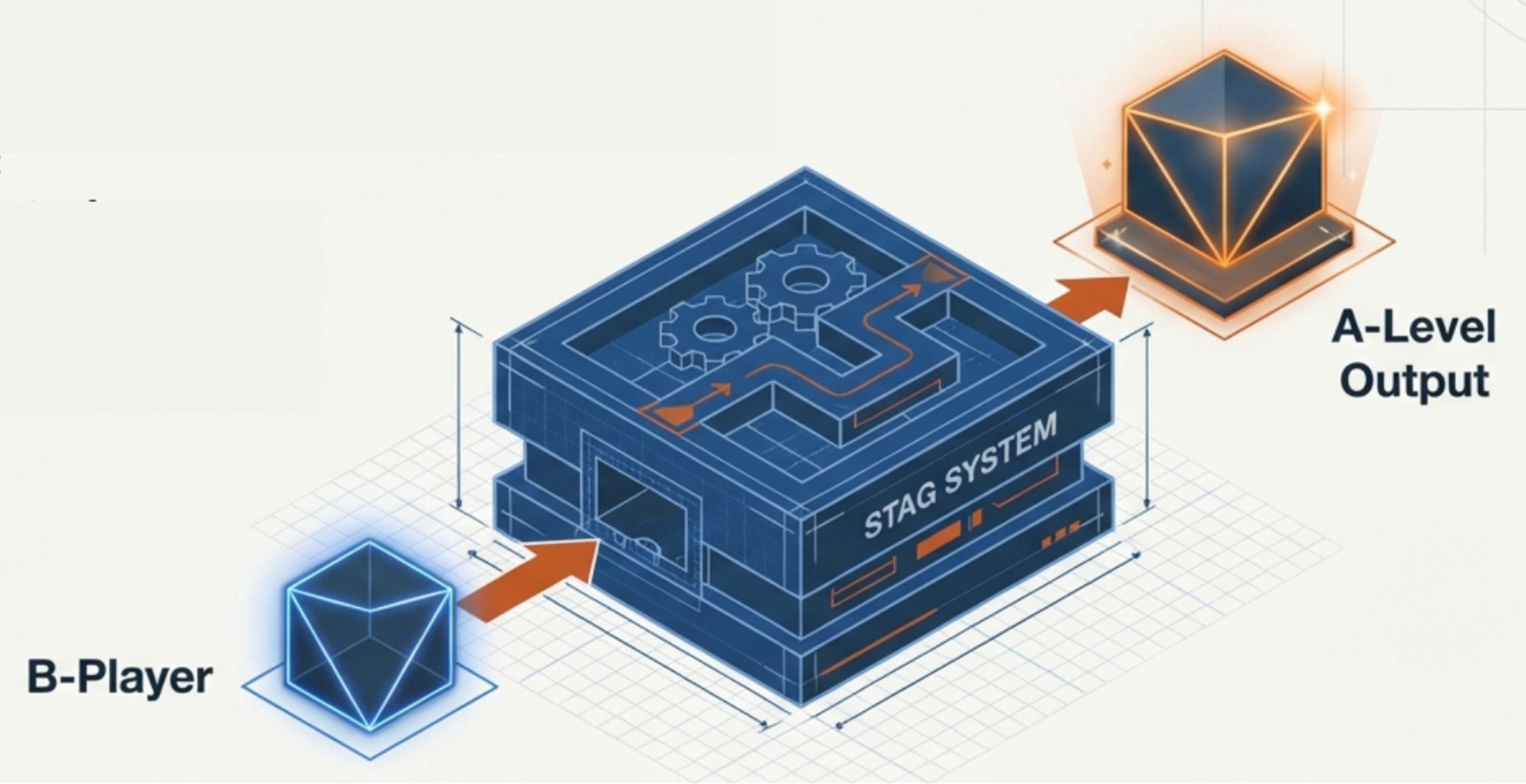
A lot of businesses assume bad hiring is the root of every personnel failure.
Sometimes that’s true. But more often the issue is that the task was never placed inside a system capable of producing the result.
With STAG in place:
- B-players become A-players
- A-players become elite performers
- New hires onboard faster
- Everyone produces more effectively
- Owners get out of the weeds
It’s the same principle you see in sports:
Underdog teams don’t suddenly win because they become more talented. They win because they get a new coach with a proven system. And they execute inside that system.
I think James Clear says it best here:
“You don’t rise to the level of your goals. You fall to the level of your systems.”
The Tactical Application
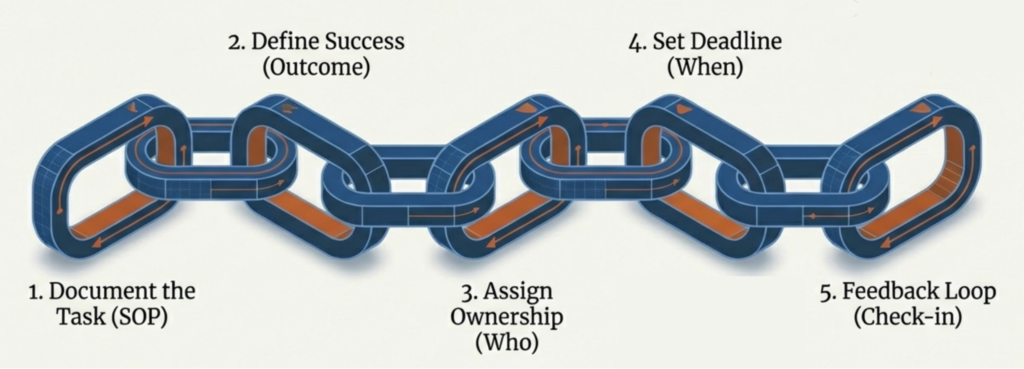
When we delegate internally, we follow a simple chain:
- Document the task (SOP)
- Define the success criteria (outcome)
- Assign ownership (who)
- Set a near-term deadline (when)
- Install a feedback loop (weekly or faster)
If any link in that chain is missing, delegation becomes abdication, and the outcome becomes optional.
If You’ve Had Failed Hires Before
It’s easy to assume that the person wasn’t qualified.
Sometimes that’s accurate.
Usually though, it’s the system they were placed in.