Why Even the Best Remote Teams Eventually Fall Apart (And How to Stop It)
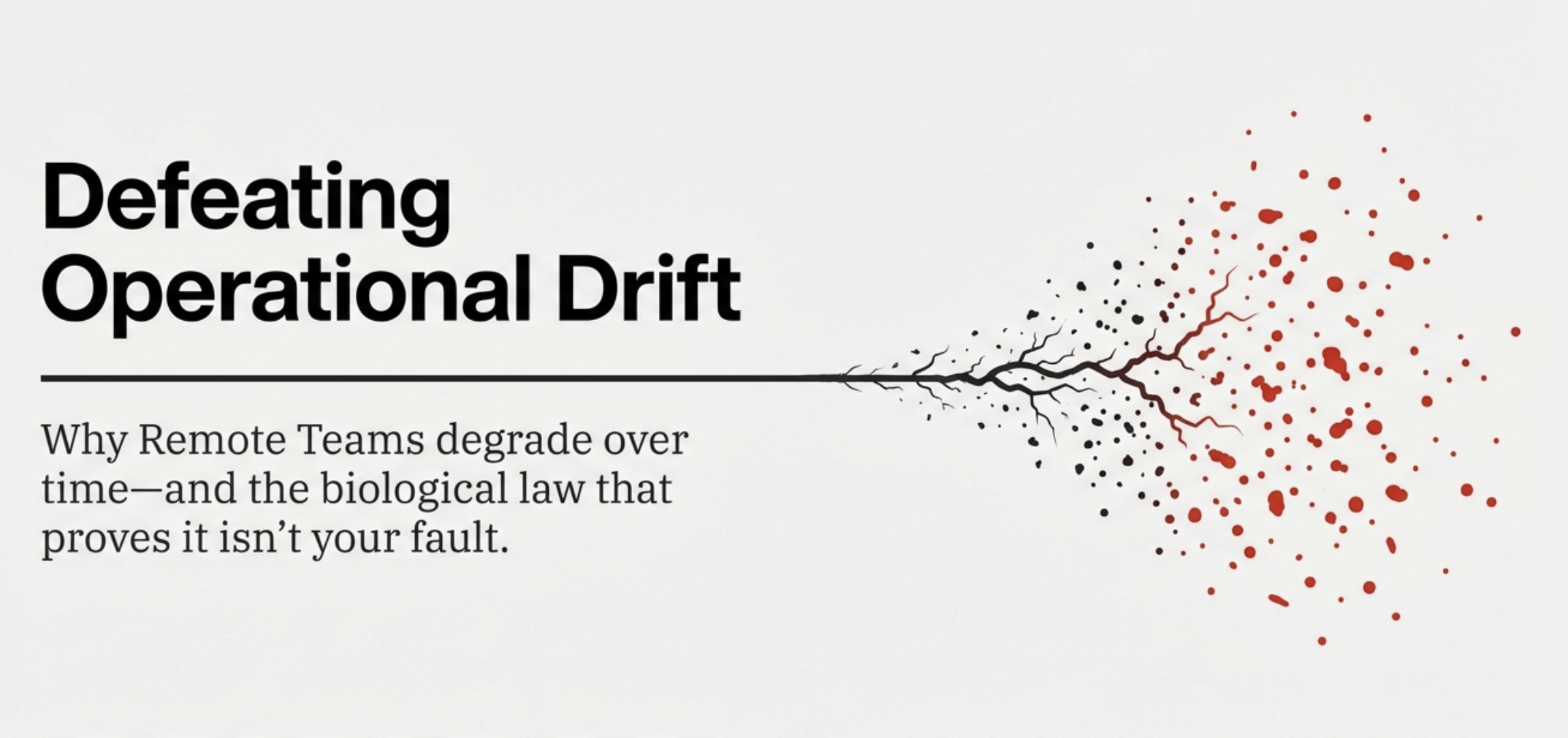
Operational Drift is the natural tendency for business processes to degrade over time as human brains seek the path of least resistance. Without consistent oversight and feedback loops, team members unconsciously cut corners, leading to a breakdown in quality, efficiency, and organizational systems regardless of individual talent levels.
I keep seeing the same strange thing happen to almost every business owner I talk to.
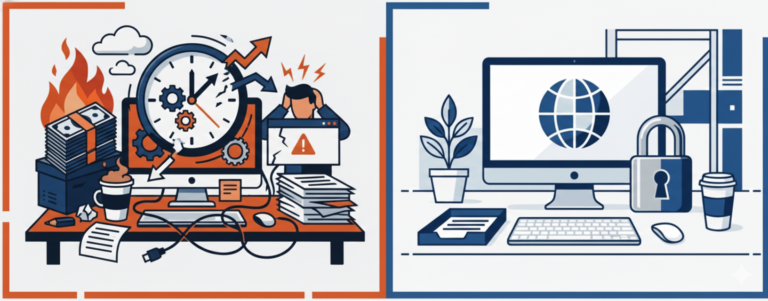
They hire a rockstar team and set up the systems. Everything starts off perfect. Then, for no obvious reason, the work starts to get messy and profit leaks out the back door.
Most people think this is a hiring problem. They think they just need “better” people. But it’s really a law of nature.
I call it “Operational Drift.”
The Invisible Law of Operational Drift

This has nothing to do with people being lazy. It’s actually just basic biology.
Our brains are wired to save energy and find the shortest path possible. It’s why people walk across the grass in a park instead of using the sidewalk. We want the result with the least amount of effort.
In a business, this shows up as “slippage.” You give an assignment to a VA. They nod and say they get it. They do it right one time, so you stop checking.
But without oversight, that process starts to change. Your team starts coming up with their own ways of doing things. They start cutting corners to save time. Since nobody is doing quality control, the process naturally turns into chaos.
The Elite Athlete Standard
Even the best athletes in the world know they can’t stay perfect on their own.
Tiger Woods is a legend, but he still has a swing coach. That coach monitors every centimeter of the club movement. They look at every muscle to make sure he creates the most power and accuracy possible.
Tom Brady is one of the greatest ever, but he still has a trainer. These guys don’t have coaches because they are bad at what they do. They have them because they know their technique will naturally drift… even at the top level.
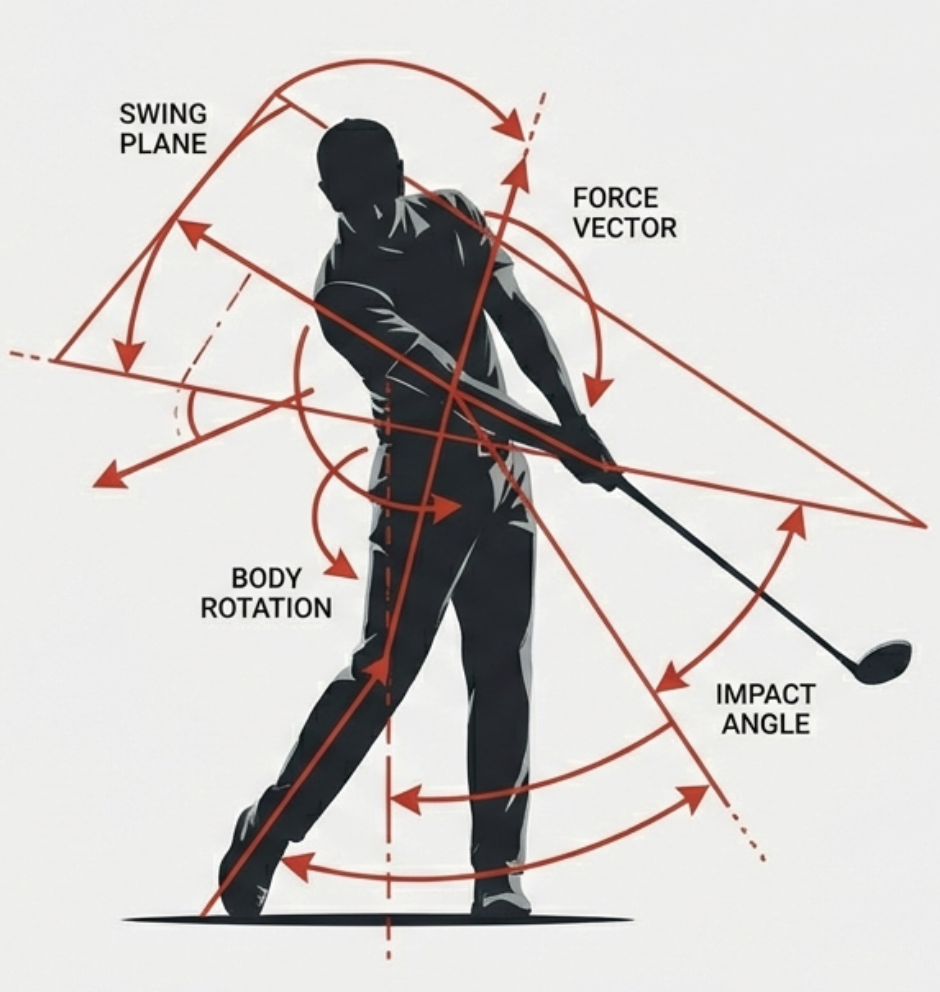
Without “outside eyeballs” to catch the tiny mistakes, they eventually lose their edge.
In business, we often do the opposite. We hire a VA, show them a task once, and then never look at it again. We expect them to stay elite with zero feedback.
I saw this happen with a friend who hired someone to handle his emails. At first, it was perfect. But once he stopped checking the work, the drift set in. His VA started cutting corners to save time. Eventually, the process looked nothing like the original plan.
How to Build a Better Loop
You can’t change how human brains work, but you can build a better loop.
You don’t need to be a micromanager to fix this. You just need a system that acts like a swing coach. When a sports team is struggling, they don’t fire every player. They bring in a new coach with a better system. The system is what keeps everyone on the sidewalk.
I found that by spending about 45 minutes a day on a few simple habits, the drift mostly disappears:
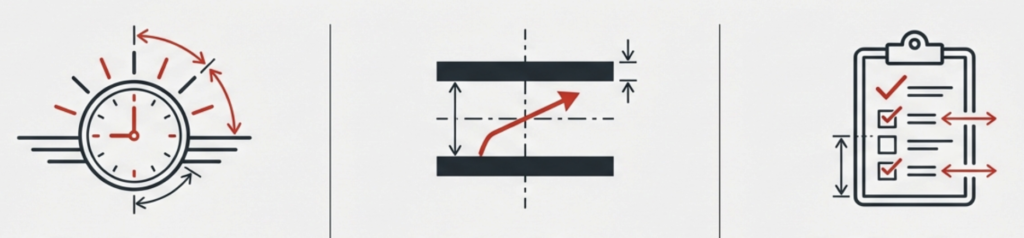
1. The Morning Huddle
This is a quick sync to set the “line of play” for the day. You share the goals and objectives. Everyone gets a chance to say what they are working on. This keeps the team aligned before the work even starts.
2. Real-Time Guardrails
You need a way to catch small mistakes while they’re still small. This means keeping regular communication throughout the day using tools like Slack or Microsoft Teams. It allows for a quick review so you can say, “do this next” or “I see a mistake here.”
3. The Daily Wrap
At the end of the day, everyone fills out a short written report. It should answer a few simple questions:
- What did I do today?
- What do I need help with?
- What is an observation I made?
You can review these in about 10 minutes. Then you can use that info to load up the agenda for the next morning.
Systems Over Talent
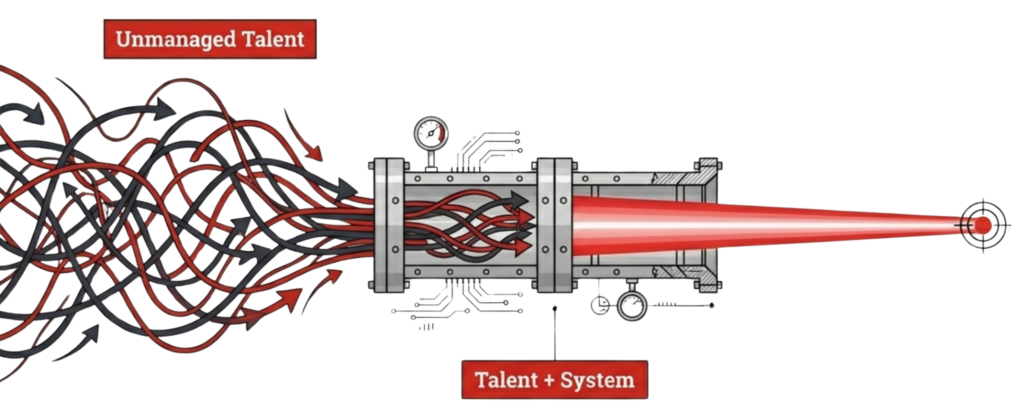
When the system is strong, even an average player can act like a pro. You don’t have to be “Manager of the Year.” You just need a system that respects how humans actually operate.
The goal isn’t to eliminate drift entirely. That is impossible. The goal is to manage it and minimize it. If you have a remote team, this is non-negotiable. You need a regular management system to keep everything that is happening in your business right in front of you.
I used to think that if I just hired “smarter” people, this wouldn’t happen. I was wrong. Biology wins every time. But when you put the right guardrails in place, you stop fighting against your team and start winning with them.
P.S. I put together a 3-part framework called the RPM Blueprint. It shows exactly how to set up these “swing coach” systems so your team stays on the sidewalk without you having to hover over their desks.
If you want the walkthrough video and the PDF, just click here to grab it.